Isometric Set of Different Concepts: A Strategic Tool for Visual Communication
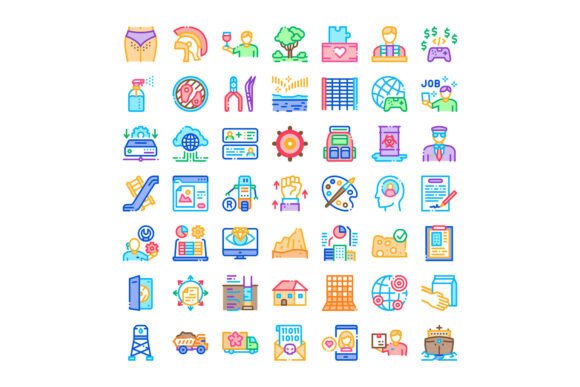
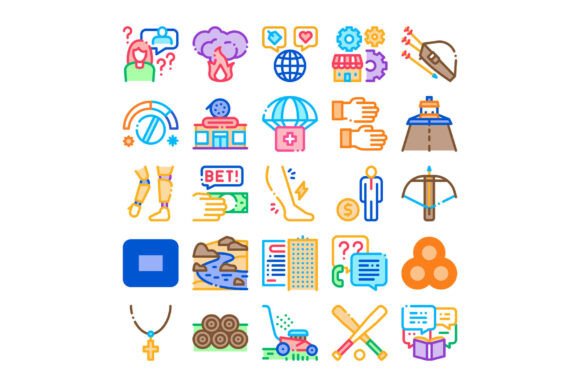
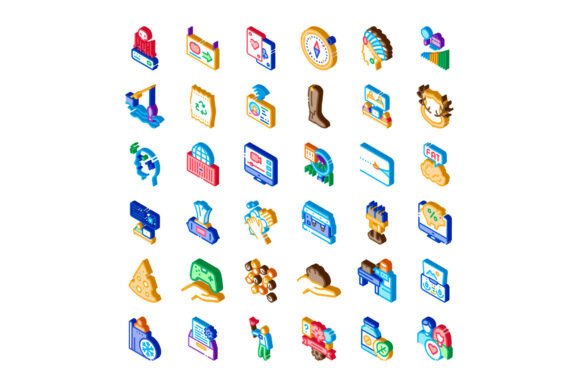
The Isometric Set of Different Concepts is a powerful visual resource that combines clarity, creativity, and versatility. These icons, rendered in isometric projection, offer a three-dimensional perspective on a two-dimensional plane, making them ideal for representing complex ideas in an accessible way. Whether you're designing a website, developing a marketing campaign, or creating educational materials, the Isometric Set of Different Concepts can serve as a valuable asset in your toolkit.
By using these icons, you can communicate a wide range of themes—technology, nature, finance, health, food, gaming, travel, and more—without relying on text. This makes them especially useful in cross-cultural or multilingual contexts where language barriers may exist. The consistent style and design of the Isometric Set of Different Concepts ensure that your message remains clear and cohesive across different platforms and audiences.
Strategic Value of the Isometric Set of Different Concepts
The Isometric Set of Different Concepts isn't just about aesthetics; it's a strategic choice that can enhance decision-making and planning. When used intentionally, these icons help visualize abstract ideas, making them easier to understand and act upon. For example, in business strategy, they can represent key performance indicators, project phases, or market segments. In education, they can illustrate concepts like sustainability, digital literacy, or financial literacy.
For entrepreneurs and marketers, the Isometric Set of Different Concepts offers a way to simplify complex information. By breaking down processes, services, or products into visual components, you can improve customer understanding and engagement. This is particularly important in industries where technical details need to be communicated clearly, such as healthcare, technology, or finance.
When to Use the Isometric Set of Different Concepts
The Isometric Set of Different Concepts is most effective when used with a clear purpose in mind. It’s not a one-size-fits-all solution, but rather a tool that should be applied based on your specific goals. Consider using it when:
- You need to explain a process or system visually.
- You want to enhance user experience on a digital platform.
- You’re creating content for a global audience.
- You’re looking to differentiate your brand through unique visual storytelling.
For instance, a fintech startup might use the Isometric Set of Different Concepts to illustrate financial concepts like budgeting, investing, or risk management. A travel agency could use it to showcase destinations, activities, and services in a way that feels engaging and intuitive.
How to Approach the Isometric Set of Different Concepts
To get the most out of the Isometric Set of Different Concepts, start by defining your objectives. Ask yourself: What message do I want to convey? Who is my audience? What is the best way to represent this idea visually?
Once you have a clear direction, consider how the icons will fit into your overall design. Are they part of a larger visual system? Will they be used in print, digital media, or both? Ensuring consistency in color, scale, and placement will help maintain a professional and polished look.
Another important consideration is accessibility. While the Isometric Set of Different Concepts is visually appealing, it’s essential to pair it with appropriate labels or descriptions, especially if the target audience includes individuals with visual impairments. This ensures that your message is inclusive and reaches a wider audience.
Practical Examples of the Isometric Set of Different Concepts
Let’s explore a few real-world scenarios where the Isometric Set of Different Concepts can make a difference:
- Education: A teacher might use the Isometric Set of Different Concepts to create interactive lessons on topics like climate change, nutrition, or digital citizenship. Icons representing trees, water, and people can help students grasp environmental concepts more easily.
- Marketing: A fitness brand could use the Isometric Set of Different Concepts to illustrate workout routines, healthy eating habits, and mental wellness. This visual approach can make their messaging more relatable and actionable.
- Productivity: A project management tool might incorporate the Isometric Set of Different Concepts to represent tasks, deadlines, and team collaboration. This helps users stay organized and focused without overwhelming them with text.
In each of these cases, the Isometric Set of Different Concepts serves as a bridge between abstract ideas and concrete understanding. It allows you to communicate more effectively, whether you're explaining a concept, guiding a user, or building a brand.
Potential Risks of Using the Isometric Set of Different Concepts Without Clarity
While the Isometric Set of Different Concepts is a valuable resource, it can also lead to confusion if used without clear intent. Randomly placing icons without a defined purpose can dilute your message and confuse your audience. For example, using too many icons in a single presentation may overwhelm viewers, making it harder for them to focus on the main points.
Another risk is over-reliance on visuals at the expense of substance. The Isometric Set of Different Concepts is a tool, not a substitute for thoughtful content. If your message lacks depth or context, the icons may appear superficial or disconnected from the actual value you're trying to deliver.
Intentional Use of the Isometric Set of Different Concepts
To use the Isometric Set of Different Concepts intentionally, start by aligning it with your core message. Ask yourself: How does this icon support the goal of my communication? Does it add value, or is it just decorative?
Consider the emotional tone you want to convey. Some icons may evoke feelings of trust, innovation, or relaxation, depending on their design and context. Choosing the right icons can reinforce the mood and personality of your brand or content.
Finally, test your visuals with real users. Gather feedback to see if the Isometric Set of Different Concepts is helping or hindering your message. This iterative process ensures that your visual strategy remains effective and relevant over time.
Long-Term Benefits of the Isometric Set of Different Concepts
When used strategically, the Isometric Set of Different Concepts can contribute to long-term success in multiple ways. It enhances brand recognition by creating a consistent visual identity. It improves user engagement by making complex ideas more digestible. And it supports scalability by providing a flexible framework that can adapt to new needs and trends.
For professionals and creators, the Isometric Set of Different Concepts is more than just a design element—it's a tool for clarity, connection, and impact. Whether you're building a website, launching a product, or communicating with stakeholders, it can help you achieve better results with greater efficiency.