Controller Old Grandpa and the Legacy of Gaming Controllers
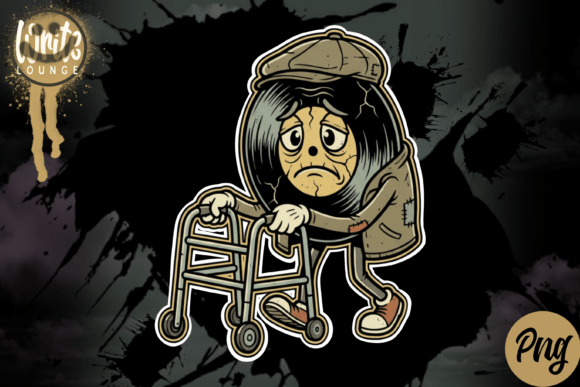
In the ever-evolving world of gaming, where technology advances at a breakneck pace, there's a quiet, enduring presence that continues to capture the hearts of gamers: Controller Old Grandpa. This whimsical character, often depicted as a grumpy senior with a fondness for retro gaming controllers, represents more than just nostalgia—it symbolizes a deeper connection to the roots of interactive entertainment.
The concept of Controller Old Grandpa is not merely a cartoon illustration; it's a metaphor for the timeless appeal of classic gaming hardware. These controllers, with their tactile buttons, analog sticks, and sometimes quirky designs, have shaped the way people interact with video games for decades. They are the tools that enabled players to explore virtual worlds, compete in tournaments, and form communities around shared experiences.
As modern gaming consoles introduce sleek, wireless, and motion-sensitive controllers, the charm of older models remains undiminished. Controller Old Grandpa embodies this sentiment, reminding us that while technology may change, the essence of gaming—fun, challenge, and connection—remains constant.
The Evolution of Gaming Controllers
Gaming controllers have come a long way since the early days of arcade machines and home consoles. The first generation of controllers, such as the Atari Joystick, were simple devices with a single button and a directional pad. They were functional but lacked the precision and versatility that modern players expect.
As games became more complex, so did the controllers. The introduction of the Nintendo Entertainment System (NES) controller, with its D-pad and A/B buttons, set a new standard for user interface design. It was followed by the Super Nintendo Entertainment System (SNES) controller, which added shoulder buttons and a more ergonomic shape, making it easier for players to navigate intricate game mechanics.
The 1990s saw the rise of the PlayStation DualShock, which introduced analog sticks and vibration feedback. This innovation allowed for more nuanced control and enhanced immersion. Controller Old Grandpa might have grumbled about the extra features, but he would have appreciated the increased functionality that these advancements brought to the table.
Why Classic Controllers Still Matter
Despite the technological leaps, many gamers still prefer the feel of older controllers. There's something comforting about the weight of a plastic shell, the click of a button, and the resistance of an analog stick. These physical sensations create a tactile feedback loop that enhances the gaming experience.
For example, the original Xbox controller, with its rounded edges and responsive triggers, is still beloved by many. Similarly, the GameCube controller, known for its unique layout and excellent ergonomics, has a dedicated following. These controllers may not have the latest features, but they offer a level of comfort and familiarity that newer models sometimes lack.
Controller Old Grandpa, with his gruff demeanor and sharp eyes, would likely be seen playing a vintage game on a retro console, his hands steady on the controller as if time had stood still. His presence is a reminder that the best gaming experiences are often the ones that feel authentic and unpretentious.
The Role of Controller Old Grandpa in Modern Gaming
While Controller Old Grandpa may seem like a relic of the past, his influence can be felt in today's gaming culture. Many modern games include retro-style controls or allow players to customize their control schemes to mimic the feel of older controllers. This trend reflects a growing appreciation for the craftsmanship and design of classic gaming hardware.
Additionally, the resurgence of retro gaming has led to a renewed interest in vintage controllers. Collectors and enthusiasts seek out rare models, while developers create emulators that allow players to experience old games on modern systems. Controller Old Grandpa, in this context, becomes a symbol of the enduring legacy of gaming history.
Moreover, the concept of Controller Old Grandpa resonates with a broader audience. It speaks to the idea that technology should serve the user, not the other way around. In a world where gaming is increasingly dominated by high-end hardware and complex interfaces, the simplicity and accessibility of older controllers remind us that fun doesn't always require the latest and greatest.
Practical Applications of Classic Controllers
Classic controllers are not just for nostalgia—they have practical applications in various settings. For instance, in educational environments, they can be used to teach students about the history of video games and the evolution of user interface design. They also provide a tangible way to explore the mechanics of game development and control schemes.
In creative fields, such as game design and digital art, classic controllers can inspire new ideas. Their unique layouts and physical characteristics encourage designers to think outside the box and experiment with different control paradigms. This can lead to innovative gameplay experiences that blend the best of both old and new technologies.
Furthermore, the use of classic controllers in indie games has become a popular trend. Developers often incorporate retro aesthetics and control schemes to evoke a sense of familiarity and charm. This approach not only appeals to veteran gamers but also introduces younger audiences to the rich history of interactive entertainment.
Considerations for Gamers and Collectors
For those interested in classic controllers, there are several factors to consider. First, the condition of the controller is crucial. Vintage models may show signs of wear, such as faded labels, cracked plastic, or malfunctioning buttons. Collectors often look for mint-condition examples, while casual players may prioritize functionality over appearance.
Another consideration is compatibility. Many older controllers are designed for specific consoles and may not work with modern systems without additional adapters or software. However, the availability of emulators and universal controllers has made it easier to enjoy retro games on contemporary hardware.
Finally, the value of a classic controller depends on its rarity, popularity, and historical significance. Some models, such as the original NES controller, are highly sought after, while others may be more common. Understanding the market can help collectors make informed decisions and avoid overpaying for items that may not hold long-term value.
Controller Old Grandpa, with his discerning eye and deep knowledge of gaming history, would undoubtedly advise newcomers to approach the hobby with patience and curiosity. He would encourage them to explore different eras of gaming and appreciate the unique qualities of each controller.
The Future of Gaming Controllers
As we look to the future, the role of gaming controllers will continue to evolve. Emerging technologies, such as haptic feedback, motion tracking, and voice commands, are redefining how players interact with games. However, the principles that made classic controllers successful—simplicity, reliability, and intuitive design—remain relevant.
Developers and manufacturers are beginning to recognize the value of blending old and new. Some modern controllers incorporate elements of retro design while adding advanced features. This hybrid approach allows players to enjoy the best of both worlds, combining the comfort of familiar controls with the capabilities of cutting-edge technology.
Controller Old Grandpa, ever the traditionalist, may not embrace every new innovation, but he would acknowledge the importance of progress. He understands that the gaming industry must adapt to stay relevant, while still honoring the foundations upon which it was built.