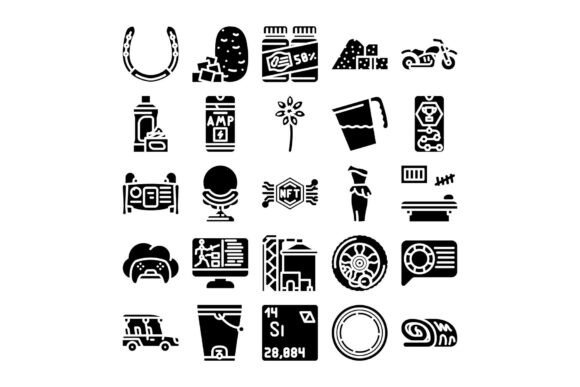
Collection of Business, Technology and L: A Dynamic Resource for Modern Design
The Collection of Business, Technology and L is more than just a set of icons—it's a versatile toolkit that supports the evolving needs of digital creators, designers, and businesses. With its wide range of glyph icons representing concepts like cryptocurrency, gaming, transportation, industry, finance, sports, and daily objects, this collection offers a visual language that resonates across multiple industries and use cases.
As the digital landscape continues to shift, the demand for clear, intuitive, and visually engaging design elements has never been higher. Whether you're developing a mobile app, building a website, or creating marketing materials, having access to a comprehensive library of icons can make a significant difference in how your message is communicated and received.
Why Glyph Icons Matter in Today’s Design Landscape
In an era where attention spans are shorter and user expectations are higher, visual clarity is essential. Glyph icons provide a quick, recognizable way to convey complex ideas without relying on text. This makes them particularly valuable in environments where space is limited, such as mobile interfaces, dashboards, and navigation menus.
The Collection of Business, Technology and L addresses this need by offering a diverse array of icons that cater to both niche and mainstream topics. For example, icons related to cryptocurrency help visualize financial concepts in a way that's accessible to users unfamiliar with the jargon. Similarly, gaming and transportation icons can enhance the user experience in apps that focus on entertainment or logistics.
These icons also serve as a bridge between different audiences. A designer working on a financial dashboard might use icons from the finance category to illustrate key metrics, while a developer creating a fitness app could incorporate sports-related glyphs to represent workout routines or progress tracking.
How Trends Shape the Demand for Visual Tools
Modern workflows are increasingly reliant on digital tools, and the rise of remote work, e-commerce, and online services has amplified the need for effective visual communication. As businesses adapt to these changes, they’re turning to design resources that offer flexibility, scalability, and consistency.
The Collection of Business, Technology and L aligns with these trends by providing a unified visual system that can be used across platforms and projects. This is especially beneficial for teams that collaborate on multiple design initiatives, as it ensures a cohesive look and feel throughout their work.
Moreover, the growing interest in personalized and interactive experiences means that designers are looking for ways to make their interfaces more engaging. Icon libraries like this one allow for creative experimentation, enabling designers to craft unique visuals that reflect their brand identity while maintaining usability.
The Evolution of Design Needs and Icon Usage
Over the past decade, the role of icons in design has evolved significantly. Initially seen as simple decorative elements, icons have become integral to user interface (UI) and user experience (UX) design. They now play a critical role in guiding user interactions, reinforcing brand messaging, and enhancing overall usability.
This shift is driven by several factors, including the increasing complexity of digital products and the need for intuitive navigation. As users interact with more sophisticated applications, the demand for clear, consistent, and meaningful visual cues has grown. The Collection of Business, Technology and L responds to this demand by offering a wide variety of icons that are both functional and aesthetically pleasing.
Additionally, the trend toward minimalism in design has made icons even more important. In a world where simplicity is valued, icons help reduce visual clutter while still conveying essential information. This makes them ideal for use in everything from mobile apps to data visualization projects.
Practical Applications Across Industries
The versatility of the Collection of Business, Technology and L makes it applicable to a wide range of industries and use cases. In the business sector, icons can be used to illustrate key performance indicators (KPIs), project timelines, and strategic goals. For technology companies, they can help explain complex features or guide users through software interfaces.
For example, a fintech startup might use icons from the finance category to represent different types of transactions or investment options. A transportation company could leverage icons related to logistics, routes, or vehicle types to create a more intuitive user experience. In the realm of education, icons can be used to represent learning modules, course structures, or student achievements.
Even in everyday applications, such as productivity tools or social media platforms, icons play a crucial role in making content more digestible and engaging. Whether it's a calendar icon for scheduling, a shopping cart icon for e-commerce, or a sports icon for event tracking, these visual elements help users navigate and understand digital experiences more efficiently.
Recommendations for Designers and Creators
For designers and creators looking to leverage the Collection of Business, Technology and L, there are several best practices to consider. First, it's important to choose icons that align with the tone and purpose of the project. A tech-focused application might benefit from sleek, modern icons, while a lifestyle brand could opt for more playful or expressive designs.
Second, consistency is key. Using a uniform style across all icons helps maintain a professional and polished look. This is especially important when integrating icons into larger design systems or branding efforts. The Collection of Business, Technology and L offers a range of styles, allowing users to select the ones that best fit their needs.
Finally, testing and feedback should not be overlooked. While icons are powerful tools, their effectiveness depends on how well they communicate their intended meaning. Conducting user tests or gathering feedback can help ensure that the chosen icons are both functional and intuitive.
Conclusion: A Valuable Asset for Modern Design
The Collection of Business, Technology and L represents a thoughtful and practical approach to visual design. By offering a wide range of glyph icons that cover various domains, it provides a flexible resource for designers, developers, and businesses looking to enhance their digital presence.
As the design landscape continues to evolve, the importance of clear, effective, and adaptable visual elements will only grow. Whether you're working on a web project, a mobile app, or a graphic design initiative, this collection can help you create more engaging and user-friendly experiences. With its broad scope and practical applications, the Collection of Business, Technology and L is a valuable asset for anyone involved in digital design.